
LitPick Review

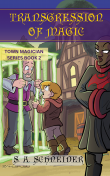
Transgression of Magic: Town Magician Series Part 2 is a fantasy book by S. A. Schneider. It tells the story of a magician and explains themes such as self-discovery and trust.
Opinion:
The title of the book refers to Samual's father going against the magical order. The Transgressions of Magic also referred to Samual’s decision while searching for the truth. His father might have committed some crimes but Samual still had to check his own actions and make the choice of either crossing the same lines his father had crossed or not.
Set in a world where magic rules, the book is more than a fantasy story. It is one where themes such as self-discovery, trust, moral responsibility, and relationships are overly emphasized. The first theme being self-discovery allowed me to explore Samual. He was a Town Magician, but he had to discover what kind of magician he wanted to be. Would he walk in his father's footsteps? Or would he pave his own way? Just like Samual, young ones today can meditate on questions such as these: what kind of future do I want for myself? And what kind of person do I want to be? Such questions can go a long way in shaping a child, leading him or her to become the best version of him/herself.
The second theme is trust. Samual was caught in a tight spot. His father had just been accused, so it was left for him to believe or search for himself if the accusations were really true. This was like a test for him as his relationship with his father was being tampered with. Readers can grasp one thing from this theme and that is not to jump to conclusions without finding out the sole cause or reason. Doing so can damage the trust and lead to a broken relationship.
The third theme is moral responsibility. This particular theme is hidden within the title of the book. Crossing a boundary just like Joseph did brought about consequences, which were the “transgressions.” It also hinted at the fact that everyone has to face the result of their actions. Young readers can learn from this theme by reflecting on the plain fact that when laws are broken, it leads to something worse. Having this in mind would help to direct and guide their actions and choices.
Lastly, there are relationships. The friendly relationship between Samual and Rory demonstrated the real value of having someone who can help you face your problems without feeling down. Friends like Rory are always by our side and keep us going no matter what. Young readers should emulate such relationships and build wholesome friendships that would benefit both parties. For young ones who feel like it would be difficult to find friends like this, I would suggest that they try demonstrating a good attitude and try reaching out first.
S. A. Schneider's book crafted a story that intrigues young readers while building a bridge between adventure and life lessons. It takes readers into a world of magic, not just basing their belief in magic but also in themselves, even when it might seem hard for them to do so. Readers who like coming-of-age books and middle grade fantasy can see this as an intriguing read. Furthermore, readers that enjoy mentor-student combinations like Artemis Fowl by Eoin Colfer and family secrets like Percy Jackson and the Olympians by Rick Riordan can also appreciate this book.
